

Irregular Periods Treatment in Bhopal involves identifying the reasons behind changes in menstrual cycles and understanding the available medical management options. Irregular periods are a common concern among women of different age groups. Menstrual cycles may become shorter, longer, heavier, lighter or less predictable because of hormonal changes, medical conditions or lifestyle-related factors.
A normal menstrual cycle in adults generally occurs every 21 to 35 days. However, some women experience delayed periods, missed menstruation, bleeding between cycles or unusually heavy menstrual flow. Occasional changes may occur naturally, but persistent irregularities sometimes indicate an underlying reproductive or hormonal condition.
Women searching for the Best Gynecologist in Bhopal may want to understand the causes of irregular menstruation, the tests used for diagnosis and the treatment options available. Dr. Nidhi Nagar is an obstetrician, gynecologist and laparoscopic surgeon with more than 15 years of experience in women’s healthcare. Her clinical areas include menstrual disorders, PCOS, hormonal concerns, infertility and gynecological conditions. Understanding menstrual symptoms and their possible causes can help women make informed decisions about their reproductive health.
What Are Irregular Periods?
Irregular Periods Treatment in Bhopal begins with understanding how the menstrual cycle works and what changes are considered abnormal. The menstrual cycle is regulated by hormones released from the brain and ovaries. These hormones control ovulation and the development of the uterine lining. When pregnancy does not occur, the lining is shed during menstruation. The first day of menstrual bleeding is considered the beginning of a new cycle. In most adults, cycles typically range between 21 and 35 days.
Irregular menstruation may involve:
- Periods occurring at unpredictable intervals
- Menstrual cycles shorter than 21 days
- Menstrual cycles longer than 35 days
- Missing periods for several months
- Bleeding or spotting between periods
- Unusually heavy or prolonged menstrual bleeding
- Significant changes from a woman’s usual menstrual pattern
A single delayed period does not necessarily indicate a serious condition. However, repeated irregularities may require medical evaluation, especially when accompanied by pelvic pain, excessive bleeding or other symptoms. Menstrual changes can also occur during adolescence, breastfeeding and the transition toward menopause.
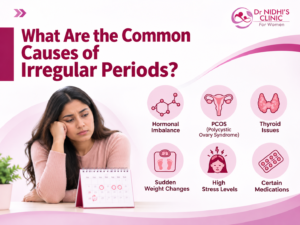
What Are the Common Causes of Irregular Periods?
Several hormonal, gynecological and lifestyle-related factors can affect menstrual regularity. The underlying cause determines whether treatment, observation or further investigation is appropriate.
1. Polycystic Ovary Syndrome (PCOS)
Polycystic Ovary Syndrome is a hormonal condition that can interfere with normal ovulation. Women with PCOS may experience infrequent periods, delayed menstruation or prolonged gaps between menstrual cycles. Other possible symptoms include acne, increased facial or body hair, weight-related concerns and difficulty conceiving. PCOS does not affect every woman in the same way. Some women have relatively regular cycles, while others experience significant menstrual irregularities. Diagnosis involves assessing symptoms and appropriate clinical investigations rather than relying on ultrasound findings alone.
2. Thyroid Disorders
The thyroid gland produces hormones that regulate metabolism and influence several body functions, including reproductive health. Both hypothyroidism and hyperthyroidism may affect menstrual timing and bleeding patterns. Women with thyroid problems may also experience fatigue, weight changes, altered temperature tolerance or changes in bowel habits. Thyroid function tests can help determine whether a thyroid-related condition is contributing to menstrual changes.
3. Hormonal Imbalance
Menstruation depends on coordination between reproductive hormones, particularly estrogen and progesterone. Changes in hormone production may disrupt ovulation and affect the normal shedding of the uterine lining. Hormonal disturbances can occur because of PCOS, elevated prolactin, thyroid problems, significant weight changes and other endocrine conditions. The pattern of menstrual irregularity can provide useful information during diagnosis.
4. Stress and Emotional Changes
Physical and emotional stress can influence hormonal signals involved in ovulation. Periods may become delayed or temporarily absent during periods of significant stress, illness or major lifestyle changes. However, persistent menstrual irregularities should not automatically be attributed to stress without considering other possible causes.
5. Sudden Weight Changes and Excessive Exercise
Significant weight loss, inadequate calorie intake and excessive physical activity may interfere with normal reproductive hormone production. Substantial weight gain can also be associated with hormonal changes and ovulatory problems in some women. Healthy nutrition and appropriate physical activity support overall reproductive health, but the underlying cause should still be evaluated.
6. Uterine Fibroids and Endometrial Polyps
Uterine fibroids are noncancerous growths that develop in the muscular wall of the uterus. Endometrial polyps are growths arising from the uterine lining. These conditions may cause heavy periods, prolonged bleeding or spotting between menstrual cycles. Not every fibroid or polyp requires treatment. Management depends on symptoms, size, location and medical findings.
7. Pregnancy and Perimenopause
Pregnancy is an important possibility when menstruation is delayed in women who could become pregnant. During perimenopause, hormone levels may fluctuate, resulting in changes in menstrual frequency and bleeding patterns. Irregular Periods Treatment in Bhopal may involve evaluating these different causes before determining whether medical management is necessary.
What Are the Symptoms of Irregular Menstruation?
Menstrual irregularities may involve changes in cycle timing, bleeding duration, menstrual flow or associated physical symptoms.
Common signs include:
Delayed Menstruation
Periods may arrive significantly later than expected or occur at intervals longer than a woman’s usual cycle.
Missed Periods
Some women may experience an absence of menstruation for several months. Pregnancy, hormonal conditions and other causes should be considered.
Heavy Menstrual Bleeding
Excessive bleeding may involve frequent pad changes, passing large blood clots or menstrual flow that significantly affects daily activities.
Bleeding Between Periods
Spotting or bleeding outside expected menstrual dates may occur because of hormonal changes, medications, cervical conditions or uterine abnormalities.
Prolonged Menstrual Bleeding
Menstrual bleeding lasting longer than seven days may require investigation, particularly when the flow is heavy.
Pelvic Discomfort
Some women experience abdominal or pelvic pain alongside menstrual irregularities. Persistent or severe pain should be evaluated. Irregular Periods Treatment in Bhopal may be considered when these symptoms continue, worsen or interfere with normal daily activities. Heavy bleeding associated with fainting, marked dizziness or breathing difficulty requires urgent medical attention.
How Is Irregular Periods Treatment in Bhopal Diagnosed?
Diagnosis generally begins with a detailed medical history and an assessment of menstrual symptoms. A gynecologist may review the frequency of periods, changes in bleeding patterns, associated symptoms, medications and relevant medical conditions.
The investigations recommended depend on the patient’s age, clinical findings and possible underlying causes.
1. Menstrual History Assessment
The doctor may ask about:
- Age when menstruation started
- Dates of recent menstrual periods
- Average cycle length
- Duration and amount of bleeding
- History of pregnancy
- Current medications and contraception
- Recent weight changes
- Existing hormonal or medical conditions
Maintaining a menstrual calendar can provide useful information about cycle patterns.
2. Pregnancy Testing
A pregnancy test may be recommended when menstruation is delayed and pregnancy is possible. Pregnancy-related conditions must be considered before attributing a missed period to a hormonal disorder.
3. Blood Investigations
Blood tests may help identify hormonal abnormalities or complications associated with excessive bleeding.
Common investigations include:
Complete Blood Count (CBC): Helps assess anemia, particularly when periods are heavy.
Thyroid Function Tests: Evaluate possible thyroid-related menstrual changes.
Hormone Tests: Selected tests, including prolactin or androgen levels, may be recommended when clinically indicated.
Not every patient requires a complete hormonal profile.
4. Pelvic Ultrasound
A pelvic ultrasound provides images of the uterus, ovaries and surrounding structures. It may help identify uterine fibroids, ovarian abnormalities, endometrial changes or other gynecological conditions. Ultrasound findings are interpreted alongside symptoms and medical history.
5. Additional Gynecological Investigations
Some women may require further evaluation, such as hysteroscopy or endometrial sampling. These procedures are generally considered in selected situations, including persistent abnormal bleeding or when particular uterine conditions are suspected. The choice of investigation depends on individual circumstances.
What Are the Treatment Options for Irregular Periods?
Irregular Periods Treatment in Bhopal depends on the cause, severity of symptoms, medical history and reproductive goals. There is no single treatment suitable for every woman because menstrual irregularities may arise from different conditions.
1. Hormonal Medication
Hormonal medications may be recommended for selected women with irregular menstrual cycles. Depending on the diagnosis, treatment may involve progesterone-based medicines or combined hormonal contraceptives. These medications may help regulate bleeding or protect the uterine lining in appropriate circumstances. The suitability of hormonal treatment depends on individual medical risk factors and whether pregnancy is desired.
2. PCOS Management
PCOS-related menstrual irregularities may require management of hormonal and metabolic factors. Treatment can include lifestyle measures, prescribed medications and monitoring of menstrual patterns. Women planning pregnancy may require additional evaluation of ovulation and reproductive health. Management is individualized because symptoms and treatment priorities differ between patients.
3. Thyroid Disorder Management
When a thyroid condition is contributing to menstrual changes, treatment generally focuses on managing the thyroid disorder. Menstrual patterns may improve as thyroid function becomes better controlled. Follow-up testing may be required to assess the response to treatment.
4. Heavy Menstrual Bleeding Management
Heavy menstrual bleeding may require treatment to reduce blood loss and address the underlying cause. Depending on the diagnosis, a doctor may recommend hormonal or nonhormonal medication. Iron supplementation may be considered when iron deficiency is identified. Women with substantial blood loss may require additional assessment to determine whether anemia is present.
5. Treatment of Uterine Fibroids and Polyps
Fibroids and polyps may contribute to heavy bleeding or bleeding between menstrual cycles. Treatment depends on their size, location, symptoms and the patient’s pregnancy plans. Some conditions can be monitored, while others may require medication or a gynecological procedure. Hysteroscopic or laparoscopic treatment may be considered in selected cases. Surgery is not routinely required for menstrual irregularities caused by hormonal changes.
6. Lifestyle and Nutritional Management
Maintaining adequate nutrition, appropriate physical activity and healthy sleep habits may support menstrual and metabolic health. Lifestyle management can be particularly relevant when cycle changes are associated with significant weight fluctuations, stress or excessive exercise.
However, lifestyle changes do not replace medical treatment when an underlying condition requires specific care. The Best Gynecologist in Bhopal for an individual should be selected based on relevant clinical expertise, diagnostic assessment and the patient’s particular healthcare needs rather than promises of a universal treatment.
Can Irregular Periods Affect Fertility?
Irregular menstrual cycles may affect fertility when they occur because of infrequent or absent ovulation. Ovulation is the release of an egg from an ovary. When ovulation does not occur regularly, identifying the fertile period can become difficult. However, irregular menstruation does not automatically mean infertility. Some women with irregular cycles conceive naturally, while others may require further investigation depending on the underlying cause. Conditions such as PCOS and thyroid dysfunction may affect both menstruation and reproductive function.
An assessment may involve reviewing menstrual patterns, evaluating possible ovulatory problems and considering additional fertility-related factors. Irregular Periods Treatment in Bhopal for women planning pregnancy may include menstrual evaluation, ovulation assessment and preconception counselling. Women who experience irregular cycles while trying to conceive can discuss whether earlier fertility evaluation is appropriate.
When Should You Consult a Gynecologist for Irregular Periods?
Occasional changes in menstrual timing may occur naturally, but certain symptoms should not be ignored.
A medical consultation may be appropriate when:
- Periods remain irregular over several cycles
- Menstruation stops for three months without an expected explanation
- Menstrual bleeding is unusually heavy
- Bleeding occurs between periods
- Periods are accompanied by persistent pelvic pain
- Menstrual cycles become significantly shorter or longer
- Irregular periods occur alongside symptoms of hormonal imbalance
- Menstrual irregularities are associated with difficulty conceiving
Any vaginal bleeding after menopause should be medically assessed.
Women experiencing severe pain, fainting or very heavy bleeding may require urgent care rather than a routine appointment. Irregular Periods Treatment in Bhopal begins with determining whether symptoms are related to a temporary change or an underlying medical condition.

How Can Women Maintain Better Menstrual Health?
Although not every cause of irregular menstruation can be prevented, certain habits may help support overall reproductive health.
Maintain a Balanced Diet
A varied diet containing adequate protein, vegetables, fruits, whole grains and essential nutrients supports general health. Inadequate nutrition and extreme dietary restrictions can affect menstrual function in some women.
Follow an Appropriate Exercise Routine
Regular physical activity supports cardiovascular and metabolic health. However, excessive exercise combined with inadequate food intake may disrupt menstrual cycles.
Manage Stress
Stress management techniques, including relaxation, physical activity and adequate rest, may support general well-being. Persistent menstrual irregularities should still be assessed medically.
Maintain Consistent Sleep Habits
Adequate sleep supports overall physical health. Regular sleeping patterns may also help manage stress and fatigue.
Track Menstrual Cycles
Recording menstrual dates, bleeding duration and associated symptoms can help women identify changes in their usual menstrual pattern. This information may also be useful during gynecological consultations.
How to Choose the Best Gynecologist in Bhopal for Menstrual Problems?
Selecting a gynecologist for menstrual disorders involves considering the doctor’s qualifications, clinical experience and approach to diagnosis. Menstrual irregularities may be caused by several different conditions, so an appropriate evaluation is important before deciding on treatment.
Women comparing specialists may consider:
Relevant Gynecological Experience
Experience in assessing menstrual disorders, PCOS, hormonal conditions and reproductive concerns can be relevant when choosing a doctor.
Diagnostic Approach
The doctor should consider symptoms, medical history and appropriate investigations rather than assuming that every irregular cycle has the same cause.
Clear Medical Communication
Patients should understand the likely diagnosis, proposed tests, available treatment options and follow-up requirements.
Individualized Treatment Planning
Management should take into account age, symptoms, medical conditions and future pregnancy plans.
Hospital and Consultation Facilities
Patients may also consider the hospital location, available diagnostic services and accessibility of follow-up appointments. A search for the Best Gynecologist in Bhopal can help identify available specialists, but a single ranking cannot determine which doctor is most suitable for every patient.
About Dr. Nidhi Nagar – Gynecologist in Bhopal
Dr. Nidhi Nagar is an experienced obstetrician, gynecologist and laparoscopic surgeon with more than 15 years of clinical experience in women’s healthcare. Her qualifications include MBBS and MD in Obstetrics and Gynecology from Gandhi Medical College, Bhopal, along with fellowship training in minimally invasive surgery.
Her clinical areas include:
- Menstrual disorders
- PCOS and hormonal concerns
- Infertility and reproductive healthcare
- Pregnancy and high-risk pregnancy management
- Uterine fibroids and ovarian conditions
- Endometriosis
- Laparoscopic gynecological procedures
- General obstetric and gynecological care
Women researching the Best Gynecologist in Bhopal may consider her experience in menstrual and reproductive health when comparing gynecological specialists. For patients experiencing irregular menstruation, medical evaluation may help determine whether hormonal, uterine or other health-related factors require attention.
Areas Near Shahpura for Irregular Periods Treatment in Bhopal
Women seeking gynecological consultations may come from different areas of Bhopal, including neighbourhoods surrounding Shahpura.
Irregular Periods Doctor in Arera Colony Bhopal
Women living in Arera Colony who experience unpredictable menstrual cycles, delayed periods or heavy bleeding may seek gynecological evaluation to understand the possible causes of their symptoms.
Irregular Periods Doctor in Chuna Bhatti Bhopal
Patients from Chuna Bhatti may require assessment when menstrual irregularities persist or occur alongside hormonal symptoms, pelvic discomfort or changes in menstrual flow.
Gynecologist for Period Problems in Habibganj Bhopal
Women in Habibganj experiencing menstrual concerns may discuss cycle changes, possible hormonal conditions and appropriate diagnostic investigations with a qualified gynecologist.
Irregular Periods Treatment Near Shahpura Lake Bhopal
Patients searching for gynecological care near Shahpura Lake may consider the consultation facilities available at Bansal Hospital, Shahpura.
Menstrual Problems Treatment in Saket Nagar Bhopal
Women from Saket Nagar experiencing frequent periods, missed menstruation or unexplained bleeding may seek medical evaluation to identify possible underlying conditions. These areas are included for geographical reference and do not represent separate practice locations.
Hospital Address: Bansal Hospital, near Shahpura Lake, Shahpura, Bhopal, Madhya Pradesh 462039, India.
Patients should confirm consultation availability before visiting.
Frequently Asked Questions – Irregular Periods Treatment in Bhopal
1. Who is the Best Gynecologist in Bhopal for Irregular Periods?
Dr. Nidhi Nagar is an experienced gynecologist in Bhopal with more than 15 years of experience in obstetrics, gynecology and laparoscopic surgery. Her clinical expertise includes menstrual disorders, PCOS, hormonal imbalances and reproductive health concerns. Women searching for the Best Gynecologist in Bhopal can consider her qualifications, experience and approach to diagnosing menstrual problems.
2. What Are the Common Causes of Irregular Periods?
Irregular periods may occur due to hormonal imbalance, Polycystic Ovary Syndrome (PCOS), thyroid disorders, stress, significant weight changes or uterine conditions. Pregnancy and perimenopause can also affect menstrual patterns. Identifying the underlying cause is important before selecting treatment.
3. When Should Women Seek Irregular Periods Treatment in Bhopal?
Women should consider medical evaluation when periods remain irregular for several cycles, menstruation stops for three months, bleeding becomes unusually heavy or spotting occurs between periods. Irregular Periods Treatment in Bhopal involves assessing menstrual history, symptoms and possible hormonal or gynecological conditions.
4. Who Is the Best Gynecologist in Bhopal for PCOS and Menstrual Problems?
There is no single best specialist for every patient. Dr. Nidhi Nagar has more than 15 years of clinical experience and provides gynecological care for menstrual disorders, PCOS and hormonal concerns. Women comparing specialists should consider their qualifications, diagnostic approach and relevant clinical experience.
5. Can PCOS Cause Irregular or Missed Periods?
Yes. PCOS can interfere with regular ovulation, resulting in delayed, infrequent or missed periods. Some women may also experience acne, excessive facial hair or difficulty conceiving. Appropriate evaluation helps determine whether PCOS or another hormonal condition is responsible.
6. What Tests Are Required Before Irregular Periods Treatment in Bhopal?
Diagnostic investigations depend on individual symptoms and medical history. A gynecologist may recommend a pregnancy test, thyroid function tests, complete blood count, selected hormone tests or pelvic ultrasound. These investigations help identify possible causes and guide appropriate treatment decisions.
7. Can Irregular Periods Affect Fertility and Pregnancy?
Irregular menstrual cycles may make conception more difficult when ovulation occurs unpredictably. However, irregular periods do not necessarily indicate infertility. Women planning pregnancy may require an assessment of ovulation, hormonal conditions and other reproductive factors.
8. Can Irregular Periods Be Treated Without Hormonal Medication?
Some menstrual irregularities improve after addressing temporary factors such as stress, significant weight changes or excessive exercise. However, treatment depends on the underlying cause. Certain conditions may require medication or additional medical management.
9. Where Can Women Find Irregular Periods Treatment Near Shahpura Lake, Bhopal?
Dr. Nidhi Nagar is associated with Bansal Hospital, Shahpura, near Shahpura Lake, Bhopal. Women from Arera Colony, Chuna Bhatti, Habibganj, Saket Nagar and surrounding areas may enquire about gynecological consultations for menstrual health concerns.
10. Is Surgery Necessary for Irregular Menstrual Cycles?
Surgery is not usually required for hormonal menstrual irregularities. However, selected conditions such as symptomatic uterine fibroids or endometrial polyps may require a gynecological procedure. Treatment decisions depend on diagnostic findings, symptoms and individual health requirements.
Conclusion – Irregular Periods Treatment in Bhopal
Irregular periods may occur because of hormonal changes, PCOS, thyroid conditions, uterine abnormalities, pregnancy-related factors or lifestyle changes. While occasional variations may be normal, persistent menstrual irregularities can require medical evaluation. The appropriate management depends on the underlying diagnosis, symptoms, medical history and future reproductive plans. Treatment may involve monitoring menstrual patterns, medication, managing associated conditions or selected gynecological procedures.
Dr. Nidhi Nagar, an obstetrician, gynecologist and laparoscopic surgeon with more than 15 years of experience, provides women’s healthcare services at Bansal Hospital, Shahpura, Bhopal.
Women searching for the Best Gynecologist in Bhopal should consider qualifications, relevant experience, diagnostic methods and individual healthcare requirements. Understanding menstrual changes and seeking appropriate evaluation can help women make informed decisions about their menstrual and reproductive health.