
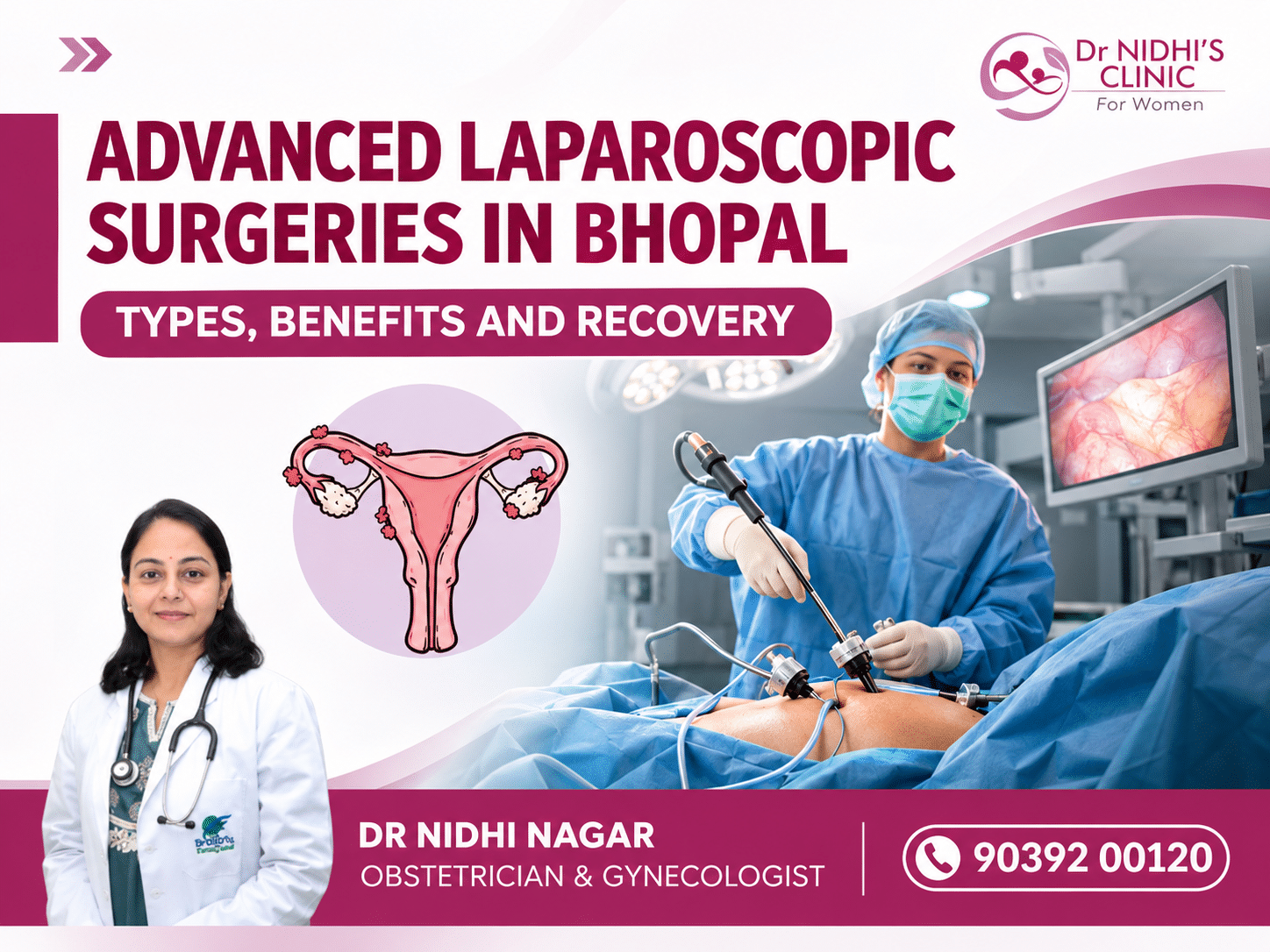
Advanced Laparoscopic Surgeries in Bhopal may be considered for selected conditions involving the uterus, ovaries, fallopian tubes and other pelvic structures. Laparoscopy uses a thin instrument with a camera and specialised surgical instruments inserted through small incisions in the abdomen. This allows the surgeon to view internal structures and perform specific procedures.
Depending on the condition, laparoscopic surgery may be used to manage uterine fibroids, ovarian cysts, endometriosis and certain other gynaecological problems. However, not every condition requires surgery, and the appropriate approach depends on the diagnosis, severity of symptoms, medical history and future pregnancy plans.
Women living in Shahpura, Arera Colony and Kolar Road may wish to understand the available surgical options before discussing treatment with a qualified gynaecologist.
What Are Advanced Laparoscopic Surgeries?
Advanced Laparoscopic Surgeries in Bhopal refer to specialised procedures performed using minimally invasive surgical techniques. Instead of making a large abdominal incision, the surgeon generally makes a few small incisions through which a camera and surgical instruments are introduced. The camera provides an enlarged view of the internal organs on a monitor. The surgeon uses this visual guidance to perform the required procedure.
Laparoscopy may be used for diagnostic purposes or to treat specific medical conditions. Depending on the procedure, the patient may require general anaesthesia, hospital observation and postoperative follow-up. The term “advanced” can refer to the complexity of the procedure, the surgical skills required and the equipment used. The suitability of a particular technique should always be assessed individually.
How Does Laparoscopic Surgery Work?
During a laparoscopic procedure, the patient usually receives general anaesthesia. The surgeon then performs the planned procedure, such as removing a cyst, treating endometriosis or removing the uterus when indicated. The instruments are withdrawn, and the incisions are closed. The exact technique depends on the type of surgery, the patient’s anatomy and the complexity of the condition. Some operations may need to be converted to open surgery if this is necessary for safety.
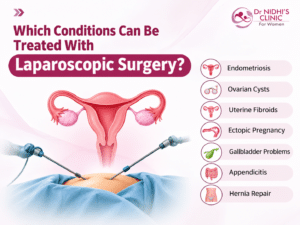
Which Conditions Can Be Treated With Laparoscopic Surgery?
Advanced Laparoscopic Surgeries in Bhopal may be considered for several gynaecological conditions.
1. Uterine Fibroids
Uterine fibroids are non-cancerous growths that develop in or around the uterus. Some women experience heavy menstrual bleeding, pelvic pressure, abdominal discomfort or reproductive difficulties.Depending on the size, number and location of fibroids, a surgeon may recommend laparoscopic myomectomy to remove selected fibroids while preserving the uterus.However, not all fibroids require treatment. The decision depends on symptoms, medical findings and pregnancy plans.
2. Ovarian Cysts
Ovarian cysts are fluid-filled sacs that develop in or on an ovary. Many are harmless and resolve without surgery, while others may require further assessment.Laparoscopic surgery may be considered for selected persistent, symptomatic or suspicious cysts. When appropriate, an ovarian cystectomy removes the cyst while preserving as much healthy ovarian tissue as possible.The treatment approach depends on ultrasound findings, symptoms, age and the possibility of complications.
3. Endometriosis
Endometriosis occurs when tissue similar to the uterine lining grows outside the uterus. It may contribute to painful periods, chronic pelvic pain and fertility difficulties. In selected cases, laparoscopy may be used to identify and treat endometriosis-related lesions or adhesions. The expected benefits and risks depend on the extent of disease and the patient’s reproductive goals. Surgery is not always necessary, and medical management may be appropriate for some women.
4. Hysterectomy
A hysterectomy is a surgical procedure to remove the uterus. It may be recommended for specific conditions, such as certain cases of fibroids, persistent abnormal uterine bleeding or other significant uterine problems when appropriate alternatives have been considered. A laparoscopic hysterectomy uses minimally invasive techniques to remove the uterus. The decision depends on the patient’s diagnosis, overall health and clinical circumstances. Because hysterectomy permanently ends the ability to carry a pregnancy, its implications should be discussed carefully before surgery.
5. Pelvic Adhesions
Adhesions are bands of scar tissue that may develop after surgery, infection or certain pelvic conditions. In selected cases, they can contribute to pain or interfere with the normal movement of pelvic organs. Laparoscopic adhesiolysis may be considered when the expected benefits justify the risks. Adhesions can recur after treatment, so surgery is not appropriate for every patient with pelvic pain.
6. Selected Tubal Conditions
Certain fallopian tube conditions may be assessed or treated laparoscopically. The appropriate procedure depends on the underlying problem, the condition of the tubes and the patient’s fertility goals. Women considering surgery to improve fertility should discuss the expected benefits and limitations with their treating specialist.
What Are the Benefits of Minimally Invasive Surgery?
Advanced Laparoscopic Surgeries in Bhopal may offer several benefits when compared with open surgery for suitable patients.
Smaller Incisions
Laparoscopic procedures generally require smaller abdominal incisions than conventional open surgery. This may reduce wound-related discomfort and produce smaller scars.
Potentially Less Postoperative Pain
Some patients experience less postoperative pain after laparoscopic surgery. However, pain levels vary depending on the procedure, individual health and other factors.
Shorter Hospital Stay
Many laparoscopic procedures allow patients to leave the hospital sooner than comparable open operations. The actual stay depends on the type of surgery and recovery progress.
Earlier Return to Routine Activities
Some patients return to routine activities sooner after minimally invasive procedures. Nevertheless, strenuous exercise, lifting and other demanding activities should be resumed only according to the surgeon’s advice.
Clear Visualisation of Pelvic Structures
The camera provides a magnified view of the surgical area, helping the surgeon examine relevant structures and perform the planned procedure. These benefits are not guaranteed for every patient. Laparoscopic surgery also carries risks, including bleeding, infection, injury to nearby organs, anaesthesia-related complications and the possibility of conversion to open surgery.
Who May Be Suitable for Laparoscopic Surgery?
Suitability depends on the patient’s diagnosis, general health, previous surgical history and the complexity of the planned operation.
A doctor may review:
- Symptoms and their duration
- Ultrasound or other imaging results
- Previous abdominal or pelvic surgeries
- Existing medical conditions
- Current medications
- Pregnancy plans and fertility goals
- Potential benefits and surgical risks
Some patients may be better suited to medical management, observation, hysteroscopy, open surgery or another treatment approach. A consultation with a qualified laparoscopic surgeon in Bhopal can help patients understand the available options and whether minimally invasive surgery is appropriate for their condition.
How Should You Prepare for Laparoscopic Surgery?
Preparation depends on the planned procedure and the patient’s health.
Medical Evaluation
The surgeon reviews the patient’s medical history, symptoms, medications and investigation results. Blood tests, imaging or other assessments may be recommended when needed.
Medication Review
Patients should inform their medical team about all medicines, supplements and allergies. Some medicines may need adjustment before surgery, but changes should only be made under medical guidance.
Fasting Instructions
Patients receiving general anaesthesia are usually given specific instructions about when to stop eating and drinking before the operation. These instructions should be followed carefully.
Arrangements for Recovery
Patients may need someone to accompany them home after surgery, especially when general anaesthesia has been used. Planning time away from work and arranging help at home can make the initial recovery period easier.
What Happens During Recovery?
Recovery after Advanced Laparoscopic Surgeries in Bhopal varies according to the operation performed and the patient’s individual circumstances.
After surgery, the medical team monitors the patient’s vital signs, pain, nausea and ability to recover from anaesthesia. Some patients can return home on the same day, while others may need an overnight stay or longer observation.
Mild abdominal discomfort, tiredness and temporary bloating may occur. Some patients also experience shoulder-tip pain due to the gas used during laparoscopy.
Recovery at Home
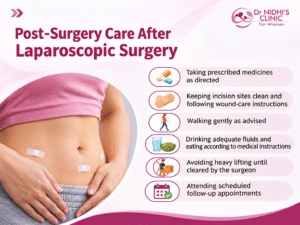
Patients should follow the discharge instructions provided by their surgical team. General recommendations may include:
- Taking prescribed medicines as directed
- Keeping incision sites clean and following wound-care instructions
- Walking gently as advised
- Drinking adequate fluids and eating according to medical instructions
- Avoiding heavy lifting until cleared by the surgeon
- Attending scheduled follow-up appointments
Severe or worsening abdominal pain, fever, heavy bleeding, difficulty breathing, persistent vomiting or redness and discharge from the wounds require prompt medical assessment.
Advanced Laparoscopic Surgery and Fertility
Some laparoscopic procedures are performed with the aim of preserving reproductive organs or treating conditions that may affect fertility. For example, selected women may undergo myomectomy for particular fibroids or surgery for certain endometriosis-related problems.
However, surgery does not guarantee pregnancy. In some situations, an operation may have limited fertility benefits or may carry risks to ovarian function or other reproductive structures.
Women planning a future pregnancy should discuss the potential impact of surgery, alternative treatments and appropriate timing before making a decision.
Advanced Laparoscopic Surgery in Bhopal: Choosing the Right Approach
Choosing Advanced Laparoscopic Surgeries in Bhopal begins with understanding the condition that requires treatment. The surgeon should explain why an operation is being considered, what alternatives are available and what outcomes can reasonably be expected.
Important questions include:
- What condition is the surgery intended to treat?
- Is observation or medical treatment an option?
- What are the expected benefits and possible complications?
- Will the procedure affect future pregnancy plans?
- How long may recovery take?
- Could open surgery be required?
- What follow-up care will be needed?
Patients should feel comfortable asking questions and seeking a second opinion when they need additional clarity.
About Dr. Nidhi Nagar
Dr. Nidhi Nagar provides gynaecological care for women experiencing reproductive and other women’s health concerns. Depending on the services available at her current practice, patients may enquire about the evaluation and management of conditions such as fibroids, ovarian cysts, menstrual problems and endometriosis.
For patients considering advanced surgery, the consultation should include an explanation of the diagnosis, suitable treatment alternatives, potential risks and expected recovery.
Areas Around Shahpura to Consider
Patients seeking gynaecological consultations may come from nearby localities, including:
- Shahpura
- Arera Colony
- Kolar Road
These areas are relevant for local searches related to women’s healthcare in this part of Bhopal.
The hospital address provided for local reference is Bansal Hospital, near Shahpura Lake, Shahpura, Bhopal, Madhya Pradesh 462039, India. Patients should confirm the doctor’s consultation location and surgical arrangements before visiting.
Frequently Asked Questions – Advanced Laparoscopic Surgeries in Bhopal
1. What is advanced laparoscopic surgery?
It is a minimally invasive surgical approach that uses a camera and specialised instruments inserted through small incisions. It can be used for selected gynaecological and other abdominal conditions.
2. Is laparoscopic surgery better than open surgery?
For suitable patients, laparoscopy may offer smaller incisions, less postoperative discomfort and a shorter recovery period. However, the best approach depends on the diagnosis, surgical complexity and the patient’s health.
3. How long does recovery take?
Recovery varies by procedure. Some patients resume light activities within days, while more complex operations may require several weeks of recovery and activity restrictions.
4. Can fibroids be removed laparoscopically?
Selected fibroids can be removed through laparoscopic myomectomy. Suitability depends on their size, number, location and the surgeon’s assessment.
5. Can ovarian cysts be treated with laparoscopy?
Some ovarian cysts can be removed laparoscopically when surgery is indicated. Many cysts do not require surgery, so evaluation is important before treatment.
6. Does laparoscopic surgery affect fertility?
The effect depends on the procedure and the underlying condition. Some procedures aim to preserve fertility, but outcomes cannot be guaranteed and potential risks should be discussed beforehand.
7. Is laparoscopic surgery completely risk-free?
No. Potential complications include bleeding, infection, injury to nearby organs, anaesthesia-related problems and conversion to open surgery.
8. How do I prepare for laparoscopic surgery?
Preparation may include a medical assessment, review of medications, required investigations and fasting instructions. Follow the specific guidance given by your surgical team.
9. When should I seek medical attention after surgery?
Seek prompt assessment for severe or worsening pain, fever, heavy bleeding, breathing difficulties, persistent vomiting or signs of wound infection.
10. Where can I enquire about laparoscopic surgery in Bhopal?
Patients can contact a qualified gynaecologist or surgical facility to enquire about the relevant procedure, consultation availability and treatment arrangements.
Conclusion – Advanced Laparoscopic Surgeries in Bhopal
Advanced Laparoscopic Surgeries in Bhopal may provide a minimally invasive treatment option for selected gynaecological conditions, including certain fibroids, ovarian cysts, endometriosis and other pelvic problems. Smaller incisions and potentially faster recovery can be important benefits, but surgery is not suitable for every patient.
The most appropriate treatment depends on an accurate diagnosis, the patient’s overall health, future pregnancy plans and the expected benefits and risks of the procedure. Women from Shahpura, Arera Colony and Kolar Road can seek professional guidance to understand their options. A detailed consultation and individualised treatment plan can help patients make informed decisions about their gynaecological health.
