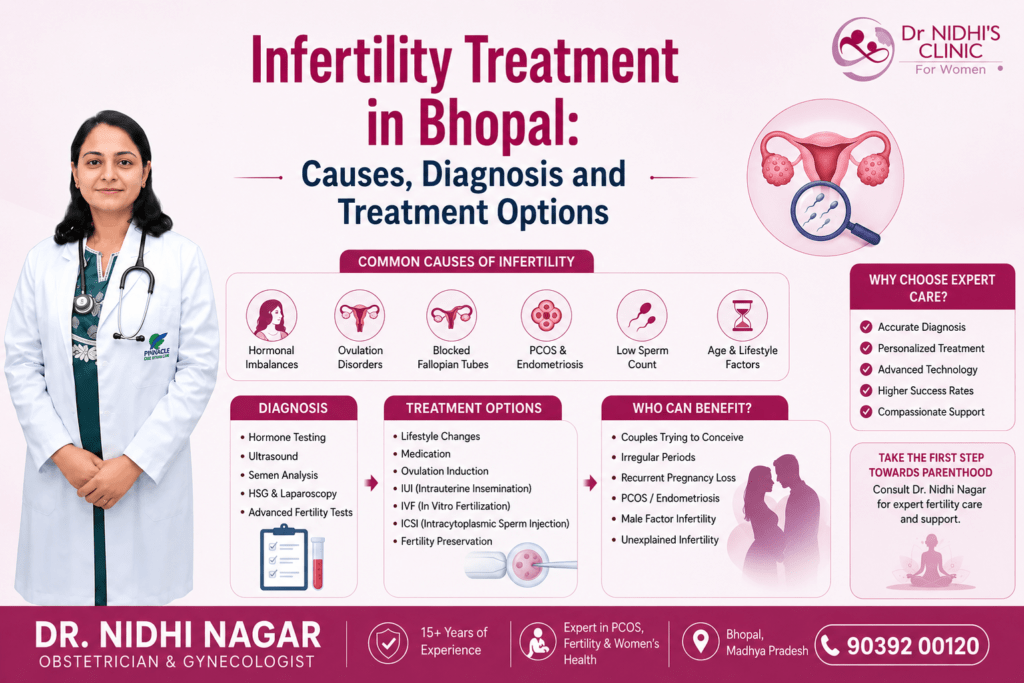
Infertility Treatment in Bhopal: Causes, Diagnosis and Treatment Options
Infertility Treatment in Bhopal is an important consideration for couples who have been trying to conceive without success. Infertility can affect both women

Infertility Treatment in Bhopal is an important consideration for couples who have been trying to conceive without success. Infertility can affect both women
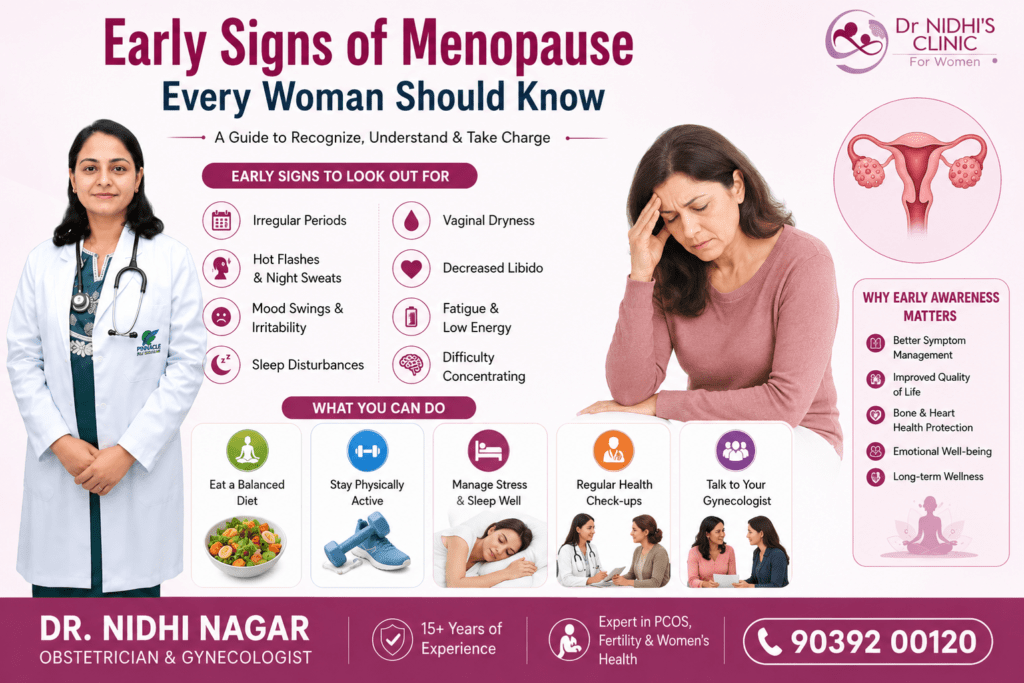
Early Signs of Menopause Every Woman Should Know is a topic every woman should understand as she approaches her late 30s or 40s. Menopause is a natural stage in a woman’s life that marks the end of menstrual cycles and reproductive years. However, before menopause occurs, the body undergoes gradual hormonal changes that can cause several physical, emotional, and psychological symptoms. Recognizing these early signs allows women to seek timely medical advice, manage symptoms effectively, and maintain a healthy quality of life. Many women dismiss changes such as irregular periods, mood swings, sleep disturbances, hot flashes, or unexplained weight gain as temporary problems or the result of stress. In reality, these may be the early signs of menopause. Every woman’s experience is unique—some may notice only mild symptoms, while others may experience significant discomfort that affects their daily routine, relationships, and overall well-being. Dr. Nidhi Nagar, an experienced Obstetrician, Gynecologist, and Laparoscopic Surgeon in Bhopal with more than 15 years of experience, provides comprehensive evaluation and personalized care for women experiencing menopausal symptoms. She focuses on helping women understand hormonal changes, relieve symptoms, maintain bone and heart health, and improve their overall quality of life during this important stage. Best Gynecologist in Bhopal for Menopause Care – Dr. Nidhi Nagar Menopause is much more than the permanent end of menstrual periods. It is a hormonal transition that affects various aspects of a woman’s physical and emotional health. During this phase, the ovaries gradually produce lower levels of estrogen and progesterone, resulting in changes throughout the body. Although menopause is a natural biological process, some women experience symptoms that interfere with their daily activities, sleep, work, and emotional well-being. Seeking medical guidance at the right time can help manage symptoms effectively and reduce the risk of future health complications. Dr. Nidhi Nagar provides comprehensive menopause care for women experiencing: ✔ Irregular menstrual cycles ✔ Hot flashes and night sweats ✔ Mood changes and anxiety ✔ Sleep disturbances ✔ Weight gain during menopause ✔ Vaginal dryness ✔ Low sexual desire ✔ Bone health concerns ✔ Hormonal imbalance ✔ Long-term menopause management Her goal is to provide individualized care based on every woman’s symptoms, lifestyle, medical history, and overall health. Dr. Nidhi Nagar – Experienced Gynecologist for Menopause Management Dr. Nidhi Nagar is one of the experienced gynecologists in Bhopal, providing specialized care for women at every stage of life, including adolescence, reproductive years, pregnancy, and menopause. With over 15 years of experience, she has helped many women successfully manage menopausal symptoms while maintaining their physical and emotional well-being. Her areas of expertise include: ✔ Menopause management ✔ Hormonal imbalance ✔ High-risk pregnancy ✔ Infertility treatment ✔ Menstrual disorders ✔ Laparoscopic gynecological surgery ✔ Preventive women’s healthcare She believes that menopause should not be viewed as a disease but as a natural life transition that can be managed effectively with the right medical guidance and healthy lifestyle choices. Why Choose Dr. Nidhi Nagar for Menopause Care in Bhopal? Women experience menopause differently, which is why individualized care is essential. Dr. Nidhi Nagar provides patient-centered treatment plans designed according to each woman’s symptoms, age, medical history, and health goals. Patients choose Dr. Nidhi Nagar because of: ✔ More than 15 years of experience ✔ Personalized menopause treatment plans ✔ Comprehensive hormonal evaluation ✔ Advanced gynecological care ✔ Focus on preventive healthcare ✔ Long-term women’s wellness guidance ✔ Compassionate and evidence-based treatment Her approach emphasizes symptom relief while helping women maintain overall health and confidence during menopause. What is Menopause? Menopause is the natural stage in a woman’s life when menstrual periods permanently stop due to the gradual decline in ovarian function. It is officially diagnosed after a woman has gone 12 consecutive months without a menstrual period. Most women experience menopause between the ages of 45 and 55 years, although the timing can vary depending on genetics, overall health, and certain medical conditions. Before menopause occurs, women typically pass through a stage known as perimenopause, during which hormone levels begin to fluctuate. It is during this phase that many women first notice symptoms such as irregular periods, hot flashes, mood changes, and sleep disturbances. Understanding these hormonal changes helps women prepare for menopause and seek appropriate medical support when needed. Early Signs of Menopause Every Woman Should Know The symptoms of menopause can begin several years before menstrual periods stop completely. These early changes are often related to fluctuating estrogen levels and may vary in intensity from one woman to another. Some of the most common early signs include: ✔ Irregular Menstrual Cycles One of the earliest indicators of menopause is a change in the menstrual cycle. Periods may become shorter, longer, lighter, heavier, or occur at irregular intervals. ✔ Hot Flashes Sudden sensations of heat affecting the face, neck, and chest are among the most recognized symptoms of menopause. These episodes may last from a few seconds to several minutes. ✔ Night Sweats Hot flashes occurring during sleep can lead to excessive sweating, disturbed sleep, and daytime fatigue. ✔ Mood Changes Hormonal fluctuations may contribute to irritability, anxiety, sadness, emotional sensitivity, or mood swings. ✔ Difficulty Sleeping Many women experience insomnia, frequent awakenings, or difficulty falling asleep during perimenopause. ✔ Vaginal Dryness Reduced estrogen levels may cause vaginal dryness, discomfort during intercourse, or recurrent urinary infections. ✔ Weight Gain Many women notice gradual weight gain, especially around the abdomen, even without major lifestyle changes. ✔ Reduced Libido Changes in hormone levels can decrease sexual desire and affect intimacy. ✔ Memory and Concentration Problems Some women experience “brain fog,” forgetfulness, or difficulty concentrating during menopause. ✔ Joint and Muscle Pain Hormonal changes may contribute to stiffness, muscle aches, or joint discomfort. Not every woman experiences all of these symptoms. The severity and combination of symptoms vary greatly, making individualized evaluation important. What Causes Menopause? Menopause occurs naturally because of a gradual decline in ovarian function and reproductive hormones. As estrogen and progesterone production decreases, menstrual cycles become irregular before eventually stopping. Several factors
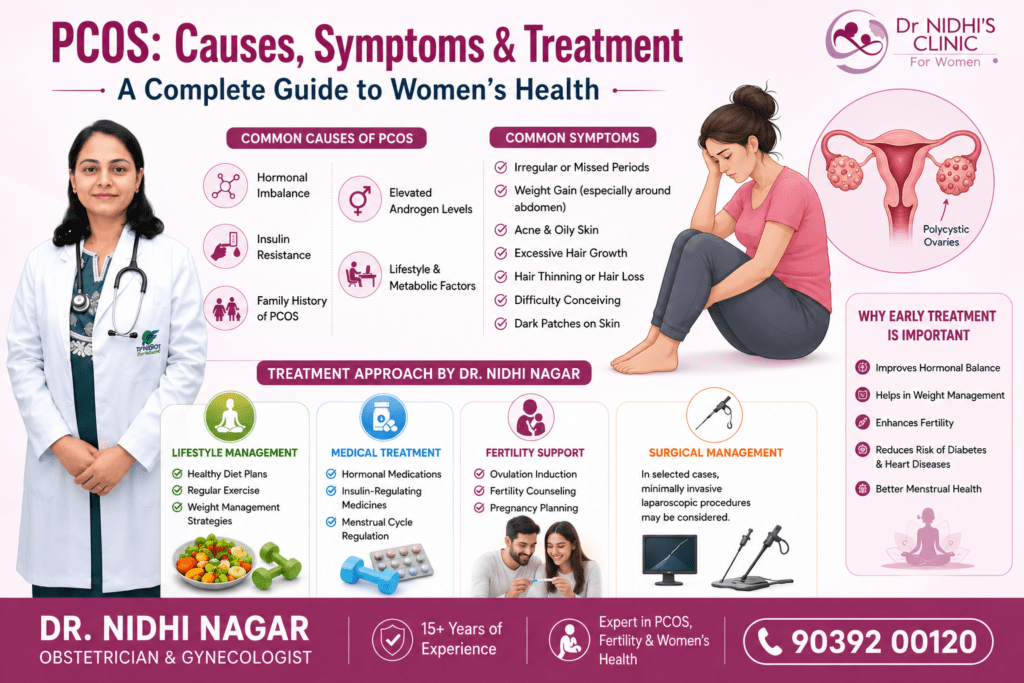
PCOS Treatment in Bhopal is one of the most searched topics among women dealing with irregular periods, unexplained weight gain, acne, excessive facial hair growth
Best Robotic Gynecologist in Bhopal is often searched by women who have been diagnosed with large ovarian cysts or uterine fibroids and are worried about surgery. One of the most common concerns patients have is: “Will I need a large cut?” “Can such a large fibroid be removed laparoscopically?” “Is robotic surgery safe?” “Will my uterus need to be removed?” Today, many gynecological conditions that once required open surgery can often be managed through Robotic Gynecological Surgery in Bhopal. With advanced robotic technology, surgeons can perform complex procedures with greater precision, smaller incisions, and potentially faster recovery. Robotic surgery is increasingly used in gynecology for fibroids, ovarian tumors, endometriosis, hysterectomy, and other complex procedures. At Dr Nidhi Nagar – Best Gynecologist and associated with Bansal Hospital Bhopal, Dr. Nidhi Nagar specializes in robotic and advanced laparoscopic gynecological surgery, helping women receive minimally invasive treatment for complex gynecological conditions. Robotic Surgery for Fibroids in Bhopal – Understanding Uterine Fibroids What Are Fibroids? Uterine fibroids are non-cancerous growths that develop within or around the uterus. Fibroids can vary greatly in size. Some remain small and symptom-free. Others may become large enough to cause: • Heavy menstrual bleeding • Pelvic pain • Pressure symptoms • Frequent urination • Infertility issues • Recurrent miscarriages • Abdominal enlargement Many women discover fibroids only after undergoing an ultrasound for unrelated symptoms. Ovarian Cyst Treatment in Bhopal – Understanding Large Ovarian Cysts What Is an Ovarian Cyst? An ovarian cyst is a fluid-filled sac that develops on or inside the ovary. Many ovarian cysts disappear naturally. However, larger cysts may cause: • Pelvic pain • Abdominal bloating • Irregular periods • Pressure symptoms • Difficulty conceiving • Sudden severe pain if torsion occurs Large ovarian cysts often require specialist evaluation to determine whether surgical removal is necessary. Robotic Gynecological Surgery in Bhopal – Can Large Fibroids Be Removed Without Open Surgery? Many women assume that a large fibroid automatically means open surgery. This is no longer always true. With modern Robotic Surgery for Fibroids in Bhopal, many large fibroids can be removed using minimally invasive techniques. Benefits may include: • Smaller incisions • Better visualization • Greater surgical precision • Reduced blood loss • Less postoperative pain • Faster return to daily activities The suitability of robotic surgery depends on: • Fibroid size • Number of fibroids • Fibroid location • Fertility goals • Overall health condition This is why individualized evaluation remains important. Best Robotic Gynecologist in Bhopal – 7 Signs Your Fibroid May Need Surgical Treatment Fibroid Treatment in Bhopal – Sign #1 Heavy Menstrual Bleeding Excessive menstrual bleeding can affect quality of life and contribute to anemia. Gynecologist in Bhopal – Sign #3 Pelvic Pressure and Pain Persistent pelvic discomfort should not be ignored. Fibroid Specialist in Bhopal – Sign #4 Frequent Urination Large fibroids can press against the bladder. Robotic Gynecological Surgery in Bhopal – Sign #5 Difficulty Conceiving Fibroids may interfere with fertility in some women. Uterine Fibroid Treatment in Bhopal – Sign #6 Recurrent Miscarriages Certain fibroid locations may affect pregnancy outcomes. Best Gynecologist in Bhopal – Sign #7 Enlarging Abdomen Large fibroids may create visible abdominal enlargement. Ovarian Cyst Treatment in Bhopal – When Does an Ovarian Cyst Need Surgery? Not every ovarian cyst requires surgery. However, intervention may be recommended if: • The cyst is large • Persistent growth is observed • Symptoms are significant • Torsion risk exists • Suspicious findings are present • Fertility concerns arise An experienced gynecologist can determine the most appropriate treatment approach. Robotic Surgery in Bhopal – Advantages Over Traditional Open Surgery Robotic surgery represents an advancement in minimally invasive gynecology. Potential advantages include: Smaller Incisions Reduced tissue trauma compared with large abdominal incisions. Enhanced Precision Robotic instruments allow precise movement during surgery. Better Visualization High-definition magnified views assist surgical accuracy. Reduced Hospital Stay Many patients recover more quickly. Faster Return to Routine Activities Recovery is often shorter than traditional open surgery. Robotic surgery is increasingly being used for fibroids, ovarian tumors, hysterectomy, endometriosis, and other gynecological conditions. Robotic Gynecological Surgery in Bhopal – A Real Patient Scenario A 38-year-old woman from Shahpura presented with: • Heavy menstrual bleeding • Pelvic pressure • Increasing abdominal size Ultrasound revealed a large uterine fibroid. She was worried she would require open surgery and a prolonged recovery. After specialist consultation, minimally invasive surgical options were discussed. Following treatment, her symptoms improved significantly and recovery was much smoother than she had expected. Cases like this demonstrate why many women now explore robotic and laparoscopic alternatives. Dr. Nidhi Nagar – Robotic Gynecologist in Bhopal Women choose Dr. Nidhi Nagar because of her expertise in: Robotic Gynecological Surgery Advanced Laparoscopic Surgery Fibroid Treatment Ovarian Cyst Surgery Fertility-Preserving Procedures Endometriosis Treatment Hysterectomy Complex Gynecological Care Patients seeking minimally invasive treatment frequently consult Dr Nidhi Nagar – Best Gynecologist for advanced surgical management. Best Gynecologist in Bhopal – Why Patients Choose Dr. Nidhi Nagar Expertise in Robotic Surgery Advanced minimally invasive surgical techniques. Fertility-Focused Approach Whenever appropriate, fertility-preserving options are considered. Comprehensive Women’s Healthcare Management of both routine and complex gynecological conditions. Personalized Treatment Planning Every surgical decision is based on individual patient needs. Advanced Hospital Infrastructure Access to modern surgical facilities at Bansal Hospital Bhopal. Robotic Surgery for Fibroids in Bhopal – Why Women Across Bhopal Seek Consultation Women frequently seek consultation from areas including: Shahpura Arera Colony Kolar Road Gulmohar Bawadiya Kalan Danish Nagar MP Nagar Hoshangabad Road Many patients specifically seek minimally invasive options that can reduce recovery time and improve comfort after surgery Best Robotic Gynecologist in Bhopal – Frequently Asked Questions Can large fibroids be removed with robotic surgery? Many large fibroids can be managed using robotic techniques, depending on their size and location. Is robotic surgery safe? Robotic surgery is widely used in gynecology and offers enhanced precision for selected procedures. Can ovarian cysts be removed laparoscopically? Many ovarian cysts can be treated using minimally invasive surgical methods. Will robotic surgery affect fertility? Fertility
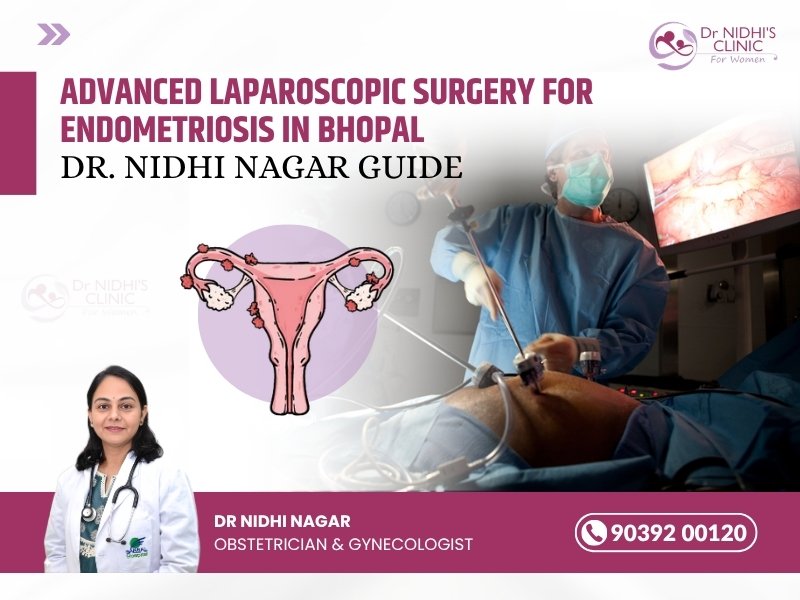
Endometriosis is a chronic gynecological condition affecting millions of women worldwide, and it can significantly impact daily life, fertility, and emotional well-being. Studies show that around 10–15% of women of reproductive age suffer from endometriosis, with symptoms ranging from mild discomfort to debilitating pain. In Bhopal, women increasingly seek Endometriosis Treatment in Bhopal for relief and improved reproductive health. Dr. Nidhi Nagar – Best Gynecologist in Bhopal is a specialist with over 15 years of experience in treating complex endometriosis cases using advanced laparoscopic techniques, offering patients a minimally invasive, safe, and effective solution. In this comprehensive guide, we will explore endometriosis, its causes, symptoms, diagnosis, advanced laparoscopic surgery, benefits, recovery, and lifestyle tips, giving women a complete understanding of how this condition can be managed. What is Endometriosis? Endometriosis occurs when the tissue that normally lines the uterus grows outside it, most commonly on the ovaries, fallopian tubes, pelvic lining, or even the bladder and intestines in rare cases. This tissue behaves like the uterine lining: it thickens, breaks down, and bleeds during menstruation. However, unlike the tissue inside the uterus, blood from these areas has nowhere to go, causing inflammation, scarring, and painful adhesions. Approximately 30–40% of women with endometriosis experience fertility issues, making timely diagnosis and treatment critical. Endometriosis Treatment in Bhopal via laparoscopic surgery is now the preferred choice for women seeking relief and fertility preservation. Causes of Endometriosis The exact cause of endometriosis is not fully understood, but several factors contribute to its development: 1. Hormonal Imbalance Estrogen, the female reproductive hormone, stimulates endometrial growth. Women with higher estrogen levels are at greater risk of developing endometriosis. Hormonal imbalances can make the condition worse, leading to persistent pelvic pain. 2. Genetic Factors A family history of endometriosis increases risk. Studies show that if a mother or sister has endometriosis, a woman is up to 7 times more likely to develop it. 3. Retrograde Menstruation This occurs when menstrual blood flows backward through the fallopian tubes into the pelvic cavity, depositing endometrial cells outside the uterus. Over time, these cells attach, grow, and form lesions. 4. Lifestyle Factors Stress, poor diet, lack of exercise, and environmental toxins may aggravate the condition. Maintaining a healthy lifestyle can help reduce inflammation and manage symptoms. Symptoms of Endometriosis Endometriosis affects each woman differently, and the severity of symptoms can vary widely. Some of the most common signs include: Severe menstrual cramps (dysmenorrhea): Painful periods that interfere with daily activities, experienced by approximately 70% of women with endometriosis. Pain during intercourse: Discomfort or pain during sexual activity, reported in 40–50% of cases. Heavy or irregular bleeding: Including spotting between periods or unusually heavy menstrual flow. Infertility: Up to 30–40% of women with endometriosis may face challenges conceiving naturally. Digestive issues: Symptoms such as bloating, constipation, diarrhea, or abdominal discomfort. Urinary problems: Painful or frequent urination, especially during periods. Fatigue and low energy: Chronic pain and inflammation can lead to persistent tiredness and reduced quality of life. Because endometriosis can progress over time, early recognition and treatment are essential. Timely consultation with a specialist gynecologist can help manage symptoms, protect fertility, and improve overall well-being. Diagnosis of Endometriosis Diagnosing endometriosis involves multiple steps. A specialist gynecologist ensures accurate assessment and appropriate treatment. 1. Medical History and Physical Exam Your gynecologist reviews menstrual cycles, pain patterns, and family history, followed by a pelvic examination to detect masses, cysts, or tenderness. 2. Imaging Tests Ultrasound: Detects ovarian cysts (endometriomas) and pelvic abnormalities MRI: Provides detailed images to locate deeper lesions 3. Laparoscopy Gold standard for diagnosis and treatment A minimally invasive procedure allowing the direct visualization of endometrial tissue Can simultaneously remove lesions, adhesions, or cysts 4. Blood Tests Hormonal tests or markers like CA-125 may support diagnosis but are not definitive. Consulting a Best Gynecologist in Bhopal like Dr. Nidhi Nagar ensures accurate diagnosis and a personalized endometriosis treatment plan. What is Laparoscopic Surgery? Laparoscopic surgery, also called minimally invasive surgery, is the preferred method for endometriosis treatment. Small incisions of 0.5–1 cm are made in the abdomen A laparoscope (camera) provides magnified, high-definition visualization Surgical instruments are inserted to remove endometrial tissue, cysts, and adhesions Compared to open surgery, laparoscopic procedures result in less pain, minimal scarring, and faster recovery Advanced Laparoscopic Surgery for Endometriosis Step-by-step procedure: 1. Pre-Surgery Preparation Comprehensive blood tests, imaging, and anesthesia evaluation Patients are advised to fast 6–8 hours prior to surgery Discuss medication, allergies, and past surgical history 2. Anaesthesia and Incisions General anesthesia ensures complete comfort 3–4 small abdominal incisions are made for the laparoscope and instruments 3. Visualization and Mapping High-definition cameras help the specialist surgeon identify all lesions Adhesions, cysts, and scar tissue are carefully mapped for removal 4. Removal of Endometrial Tissue Lesions and adhesions are meticulously excised or ablated Ovarian cysts (endometriomas) are drained or removed Care is taken to preserve reproductive organs for future fertility 5. Suturing and Completion Tiny incisions are closed with dissolvable sutures Patient monitored in the post-anesthesia care unit (PACU) before discharge Dr. Nidhi Nagar – Best Gynecologist in Bhopal performs these procedures with precision and specialist expertise, ensuring better symptom relief, minimal recurrence, and fertility preservation. Benefits of Laparoscopic Surgery Advanced laparoscopic surgery offers numerous advantages: Less Pain: 50–60% reduction compared to open surgery Short Hospital Stay: Usually 24–48 hours Faster Recovery: Return to daily activities in 1–2 weeks Better Fertility Outcomes: Adhesions and cyst removal improves conception chances by 40–60% Minimal Scarring: Small, cosmetic incisions Accurate Lesion Removal: Magnified visualization ensures complete excision Because of these benefits, Endometriosis Treatment in Bhopal via laparoscopic surgery is the gold standard for women seeking long-term relief. Risks and Complications While laparoscopic surgery is safe, all surgeries carry some risks: Infection (<2% of cases) Bleeding (~1–2%) Adhesion formation Rare injury to bladder, intestines, or blood vessels (<1%) Choosing an experienced specialist surgeon like Dr. Nidhi Nagar – Best Gynecologist in Bhopal reduces these risks significantly. Recovery and Post-Operative Care Immediate Recovery (0–48 hours) Pain managed with
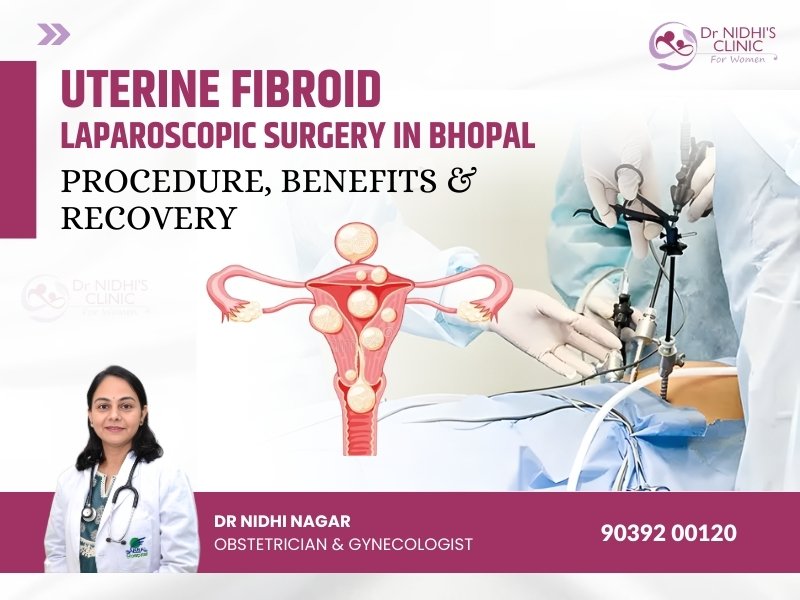
Uterine fibroids are one of the most common health conditions affecting women during their reproductive years. According to global health studies, nearly 40–70% of women may develop uterine fibroids by the age of 50, although many may not notice symptoms in the early stages.
Pregnancy is one of the most beautiful journeys in a woman’s life. From the first heartbeat to the final days before delivery, every moment is filled with emotions, hope, and a little nervousness.
Women often ignore long-term health problems like heavy bleeding, pelvic pain, or irregular periods. Many women think these problems will go away on their own.
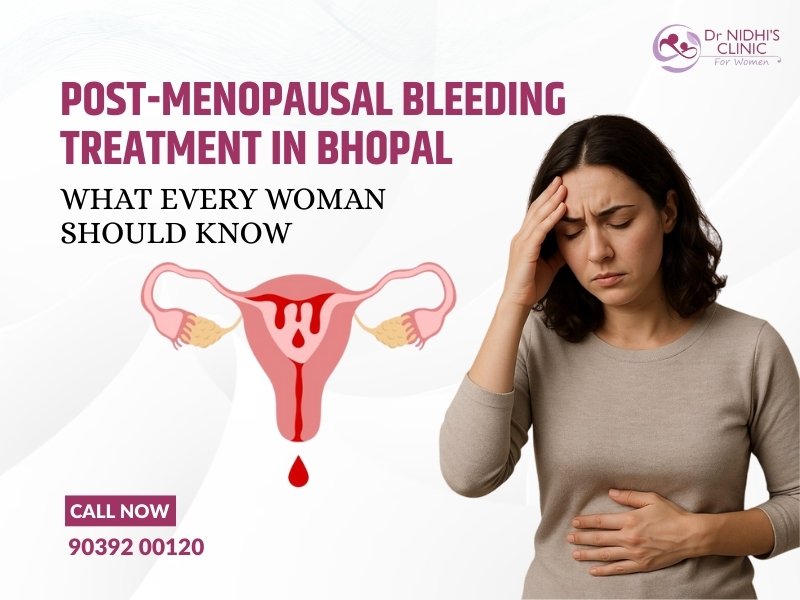
Menopause is a natural stage in a woman’s life. It usually means the end of monthly periods. However, if bleeding starts again after menopause, it should never be ignored.
Pregnancy is one of the most transformative experiences in a woman’s life, but for around 15–20% of pregnancies in India, complications can classify it as high-risk.
