
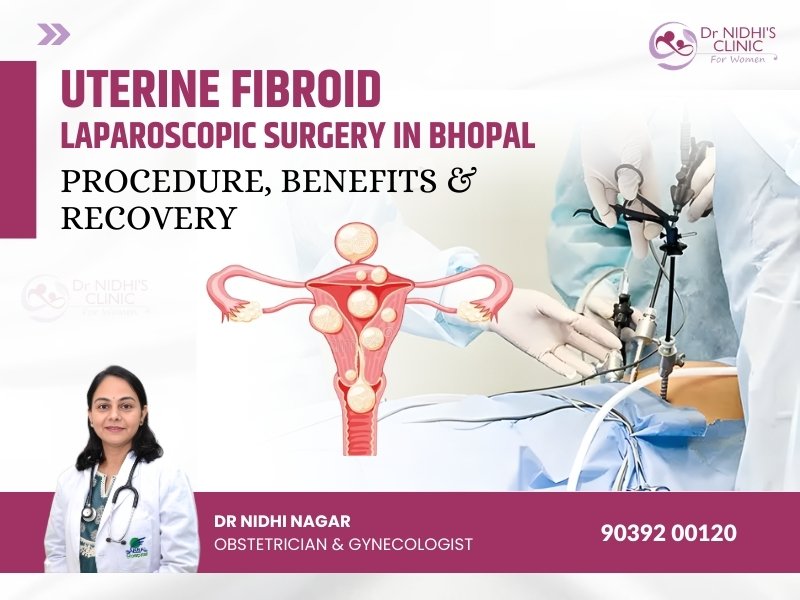
Uterine fibroids are one of the most common health conditions affecting women during their reproductive years. According to global health studies, nearly 40–70% of women may develop uterine fibroids by the age of 50, although many may not notice symptoms in the early stages. These fibroids are non-cancerous growths that develop in or around the uterus and vary in size from tiny seed-like nodules to large masses.
In many cases, fibroids remain harmless. However, when they grow larger or cause symptoms such as heavy periods, pelvic pain, abdominal swelling, or fertility issues, medical treatment becomes necessary.
Today, women prefer minimally invasive procedures that offer faster healing and fewer complications. One of the most advanced options available is Uterine Fibroid Laparoscopic Surgery in Bhopal, which allows doctors to remove fibroids through small incisions using modern surgical technology.
This technique has transformed gynecological care by reducing pain, shortening hospital stays, and helping women recover quickly. For women seeking expert care, Dr. Nidhi Nagar – Best Gynecologist in Bhopal provides comprehensive diagnosis and modern treatment options for fibroids and other gynecological conditions.
Understanding fibroids and their treatment options empowers women to make informed decisions about their health and reproductive future.
What Are Uterine Fibroids?
Uterine fibroids, medically known as leiomyomas, are benign tumors that develop from the smooth muscle tissue of the uterus. These growths are not cancerous and usually grow slowly over time.
Fibroids may occur as a single growth or multiple growths and can vary widely in size. Some fibroids are so small they are only detected during ultrasound scans, while others may grow large enough to enlarge the uterus and create visible abdominal swelling.
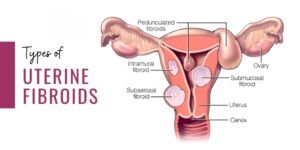
Fibroids are generally classified based on their location in the uterus:
Intramural Fibroids
These grow within the muscular wall of the uterus and are the most common type.
Submucosal Fibroids
These develop inside the uterine cavity and may cause heavy menstrual bleeding or fertility problems.
Subserosal Fibroids
These grow on the outer surface of the uterus and can press against nearby organs.
Pedunculated Fibroids
These fibroids grow on a stalk attached to the uterus.
While many fibroids remain asymptomatic, larger fibroids or multiple fibroids may affect daily life. In such cases, Uterine Fibroid Laparoscopic Surgery in Bhopal can provide a safe and effective treatment solution.
Causes of Uterine Fibroids
The exact cause of fibroids is still being researched, but doctors believe several factors contribute to their development.
Hormonal Changes
Hormones such as estrogen and progesterone stimulate the growth of the uterine lining during the menstrual cycle. These hormones can also encourage fibroid growth.
This is why fibroids commonly develop during reproductive years and may shrink after menopause, when hormone levels decrease.
Genetic Factors
Genetics can play an important role. Women with a family history of fibroids have a higher chance of developing them.
Research suggests that certain genetic mutations in uterine muscle cells may trigger abnormal growth patterns.
Age and Reproductive Years
Fibroids are most commonly diagnosed in women between 30 and 50 years of age. The risk increases during reproductive years due to hormonal activity.
Women who start menstruation early or delay pregnancy may have a slightly increased risk.
Lifestyle Factors
Certain lifestyle factors may increase the likelihood of fibroid growth, including:
- Obesity or excess body fat
- Lack of regular physical activity
- High consumption of red meat
- Low intake of fruits and green vegetables
- Chronic stress and hormonal imbalance
Maintaining a healthy lifestyle may help reduce the risk of fibroid complications.
Common Symptoms of Uterine Fibroids
Many women with fibroids may not experience symptoms initially. However, when fibroids grow larger or interfere with surrounding organs, noticeable symptoms can occur.
Some of the most common symptoms include:
Heavy Menstrual Bleeding
Around 30–40% of women with fibroids experience heavy periods, sometimes lasting more than 7–8 days. This can lead to fatigue and iron-deficiency anemia.
Pelvic Pain or Pressure
Large fibroids may cause a feeling of pressure or pain in the pelvic region.
Abdominal Bloating or Enlargement
Fibroids can make the abdomen appear swollen or enlarged, similar to early pregnancy.
Frequent Urination
Fibroids pressing on the bladder may cause increased urination or difficulty emptying the bladder.
Pain During Intercourse
Some fibroids may cause discomfort during sexual activity depending on their location.
Fertility Problems
In certain cases, fibroids may interfere with implantation or pregnancy, affecting fertility.
Women experiencing these symptoms should consult a specialist, as Uterine Fibroid Laparoscopic Surgery in Bhopal may help relieve severe symptoms.
When Do Fibroids Need Surgical Treatment?
Not all fibroids require surgery. Many women live with fibroids without needing treatment if the growths are small and asymptomatic.
However, surgical treatment may be recommended if:
- Fibroids grow rapidly in size
- Heavy bleeding causes anemia
- Persistent pelvic pain affects daily activities
- Fibroids lead to fertility problems
- Medication does not control symptoms
- Fibroids become very large (more than 8–10 cm)
In such situations, doctors may suggest minimally invasive procedures like Uterine Fibroid Laparoscopic Surgery in Bhopal.
What is Laparoscopic Surgery for Uterine Fibroids?
Laparoscopic surgery is a modern minimally invasive surgical technique used to remove fibroids through very small incisions in the abdomen.
Instead of making a large surgical cut, the doctor inserts a thin instrument called a laparoscope that contains a tiny camera and light source. The camera sends real-time images to a monitor, allowing the surgeon to perform precise surgery.
When fibroids are removed while preserving the uterus, the procedure is called laparoscopic myomectomy.
This technique has become increasingly popular because it offers less pain, faster recovery, and minimal scarring compared to traditional open surgery.
Procedure of Uterine Fibroid Laparoscopic Surgery in Bhopal
Understanding the procedure can help patients feel more confident about the surgery.
Step 1 – Pre-Surgery Evaluation
Before surgery, the doctor performs a detailed evaluation which may include:
- Pelvic examination
- Ultrasound scan
- MRI in complex cases
- Blood tests
These tests help determine the size, number, and location of fibroids.
Step 2 – Anesthesia
The surgery is usually performed under general anesthesia, ensuring that the patient is comfortable and pain-free.
Step 3 – Small Incisions
The surgeon makes 3–4 small incisions (about 0.5–1 cm each) in the abdomen.
Step 4 – Laparoscope Insertion
A laparoscope with a high-resolution camera is inserted through one incision to provide a clear view of the uterus.
Step 5 – Fibroid Removal
Special surgical instruments are used to carefully remove fibroids while preserving healthy uterine tissue.
Step 6 – Closing the Incisions
After removing the fibroids, the incisions are closed with small stitches or surgical glue.
The procedure typically takes 60–120 minutes, depending on the complexity of the case.
Benefits of Laparoscopic Fibroid Surgery
Minimally invasive surgery offers several advantages compared to traditional open surgery.
Smaller Incisions
Laparoscopic surgery uses tiny incisions, reducing damage to surrounding tissues.
Less Pain
Patients generally experience 30–50% less postoperative pain compared to traditional surgery.
Faster Recovery
Most women can return to normal activities within 10–14 days.
Minimal Scarring
Small incisions leave very small scars that are barely noticeable.
Short Hospital Stay
Many patients are discharged within 24 hours, allowing them to recover comfortably at home.
Because of these benefits, Uterine Fibroid Laparoscopic Surgery in Bhopal has become a preferred treatment option for many women.
Recovery After Laparoscopic Fibroid Surgery
Recovery from laparoscopic surgery is usually quicker than traditional surgery.
First 24 Hours
Patients are monitored in the hospital. Most are able to walk within a few hours after surgery.
First Week
Mild discomfort, fatigue, or bloating may occur but gradually improves.
2–3 Weeks
Most women return to work and daily routines during this period.
4–6 Weeks
Full recovery occurs and patients can resume all activities as advised by their doctor.
Recovery Tips
- Avoid heavy lifting for 3–4 weeks
- Eat iron-rich foods such as leafy vegetables and lentils
- Stay hydrated
- Follow medication instructions carefully
- Attend follow-up appointments
Risks and Possible Complications
Although laparoscopic surgery is generally safe, every surgery carries some risk.
Possible complications include:
- Infection
- Bleeding
- Reaction to anesthesia
- Rare injury to nearby organs
- Fibroid recurrence in about 10–30% of cases
Choosing an experienced gynecologist significantly reduces these risks.
Why Early Treatment of Fibroids Is Important
Ignoring fibroid symptoms can lead to several complications.
Untreated fibroids may cause:
- Severe anemia from heavy bleeding
- Chronic pelvic pain
- Infertility or difficulty conceiving
- Pregnancy complications
- Enlargement of the uterus
Early diagnosis allows doctors to manage fibroids effectively before they grow larger or cause complications.
Role of an Experienced Gynecologist
Successful treatment of fibroids depends on the expertise of the doctor performing the procedure.
Dr. Nidhi Nagar – Best Gynecologist in Bhopal has more than 15 years of experience in obstetrics and gynecology and is known for her patient-focused approach.
She specializes in managing complex gynecological conditions including high-risk pregnancy, infertility, laparoscopic surgery, and women’s reproductive health disorders.
Her expertise in minimally invasive gynecological procedures allows patients to benefit from advanced treatments such as Uterine Fibroid Laparoscopic Surgery in Bhopal, ensuring safer outcomes and faster recovery.
Many women trust Dr. Nidhi Nagar – Best Gynecologist in Bhopal for personalized care and evidence-based treatment plans.
Tips to Prevent Fibroid Complications
While fibroids cannot always be prevented, certain habits may help reduce complications.
- Maintain a healthy body weight
- Follow a balanced diet rich in fruits and vegetables
- Exercise regularly
- Reduce processed and high-fat foods
- Manage stress effectively
- Schedule regular gynecological checkups
Routine checkups help detect fibroids early and prevent complications.
When Should You Consult a Gynecologist?
Women should consult a gynecologist if they experience:
- Heavy menstrual bleeding lasting more than 7 days
- Severe pelvic pain or pressure
- Abdominal swelling or bloating
- Frequent urination
- Pain during intercourse
- Difficulty conceiving
Early consultation allows doctors to diagnose fibroids and recommend the most appropriate treatment, including Uterine Fibroid Laparoscopic Surgery in Bhopal if necessary.
Frequently Asked Questions
What are uterine fibroids?
Uterine fibroids are non-cancerous growths that develop in the muscular wall of the uterus. They are common in women during reproductive years and may vary in size and number.
Is laparoscopic fibroid surgery safe?
Yes, laparoscopic fibroid surgery is considered safe and minimally invasive when performed by an experienced gynecologist. It usually involves smaller incisions, less pain, and faster recovery.
How long does recovery take after laparoscopic fibroid surgery?
Most women recover within 2–3 weeks, although full recovery may take 4–6 weeks depending on the complexity of the surgery.
Can fibroids affect fertility?
Yes, some fibroids may interfere with implantation or pregnancy. Removing problematic fibroids through Uterine Fibroid Laparoscopic Surgery in Bhopal may improve fertility outcomes.
When should a woman see a gynecologist for fibroids?
Women should consult a gynecologist if they experience heavy bleeding, pelvic pain, abdominal swelling, or fertility issues.
Can fibroids return after surgery?
Yes, fibroids may recur in some women, especially during reproductive years. Regular follow-up checkups help monitor uterine health and detect new fibroids early.
